What Being Theme Park Obsesssed Has Taught Me About Marketing
I’m a marketer who loves theme parks. A lot. Like a lot a lot.
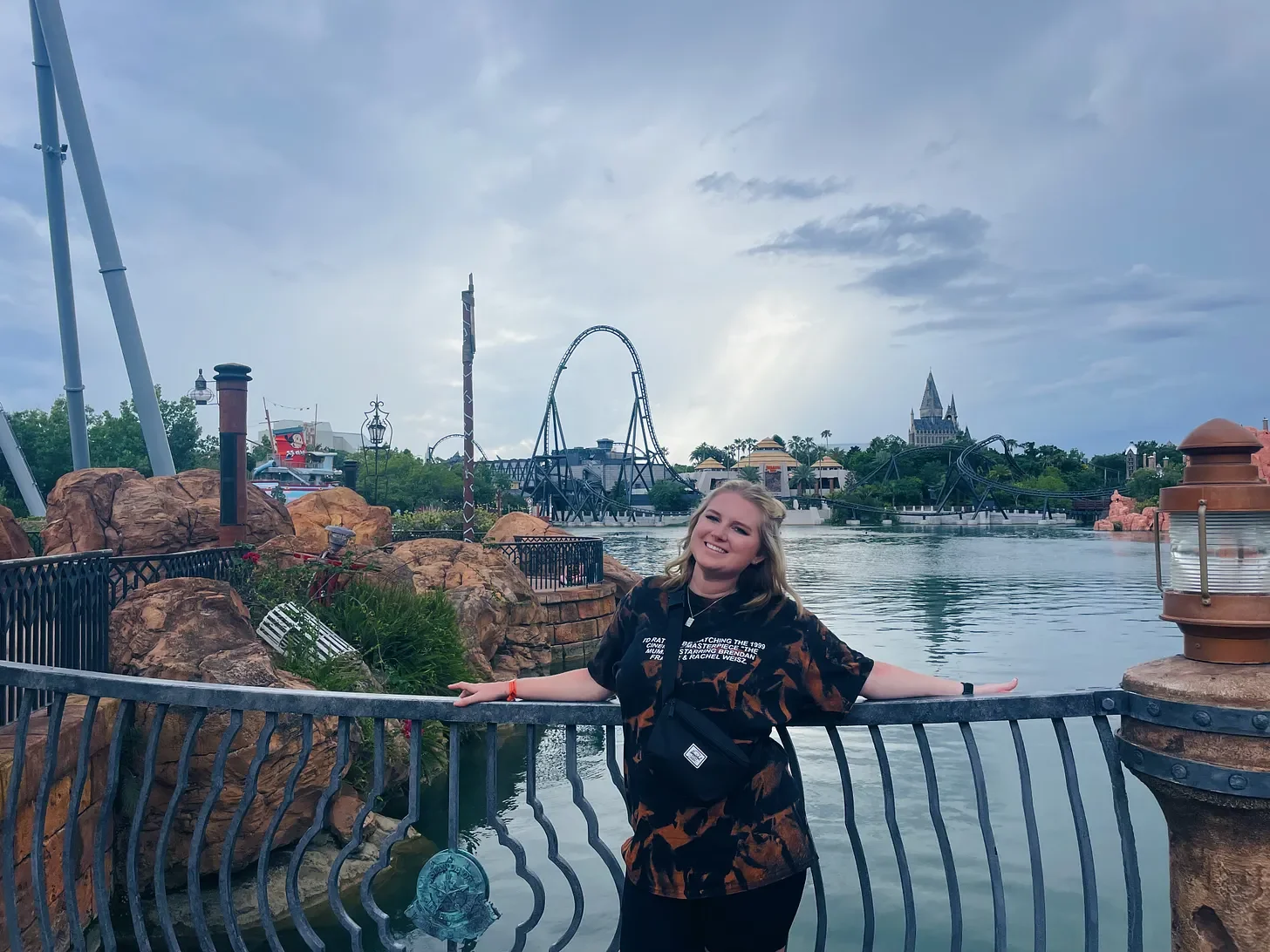
I have spent an objectively unreasonable amount of time thinking about theme parks, planning theme park trips, watching theme park content, reading theme park news, analyzing theme park marketing, talking about theme parks, and generally finding ways to incorporate theme parks into conversations where they did not need to be incorporated.
But I’ve realized something recently: My theme park obsession has actually made me a better marketer.
Because when you spend enough time studying Disney, Universal, Dollywood, and other experiential brands, you start to notice that these places are essentially giant marketing case studies you can physically walk through.
They aren’t just selling rides…
They’re selling stories, nostalgia, anticipation, identity, memories. And they’re creating experiences that people are willing to spend hundreds or thousands of dollars to have — and then willingly spend even more money talking about afterward. I know because I’ve been there, and I know many others who have been as well.
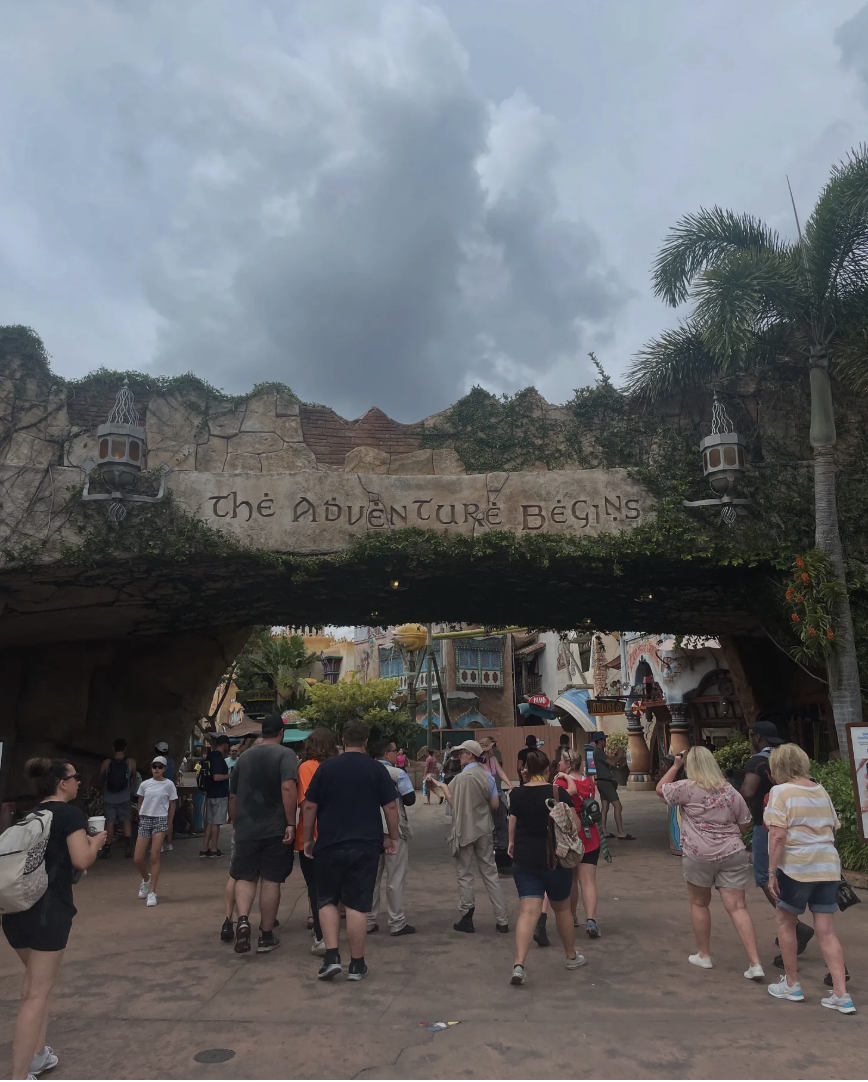
As a marketer, that’s fascinating. So here’s what my theme park obsession has taught me about marketing…
The storytelling.
A theme park is not just about the rides, though that certainly is a huge part.
A theme park is an entire narrative environment. You don’t just walk into a land; you are transported into a story.
The architecture tells you where you are. The music tells you how to feel. Even the smells tell you what kind of world you’re in. And the costumes reinforce the setting. The food fits the story. The merch adds to the story and allows you to find yourself as a character in it. Even the trash cans are themed.
The trash cans!
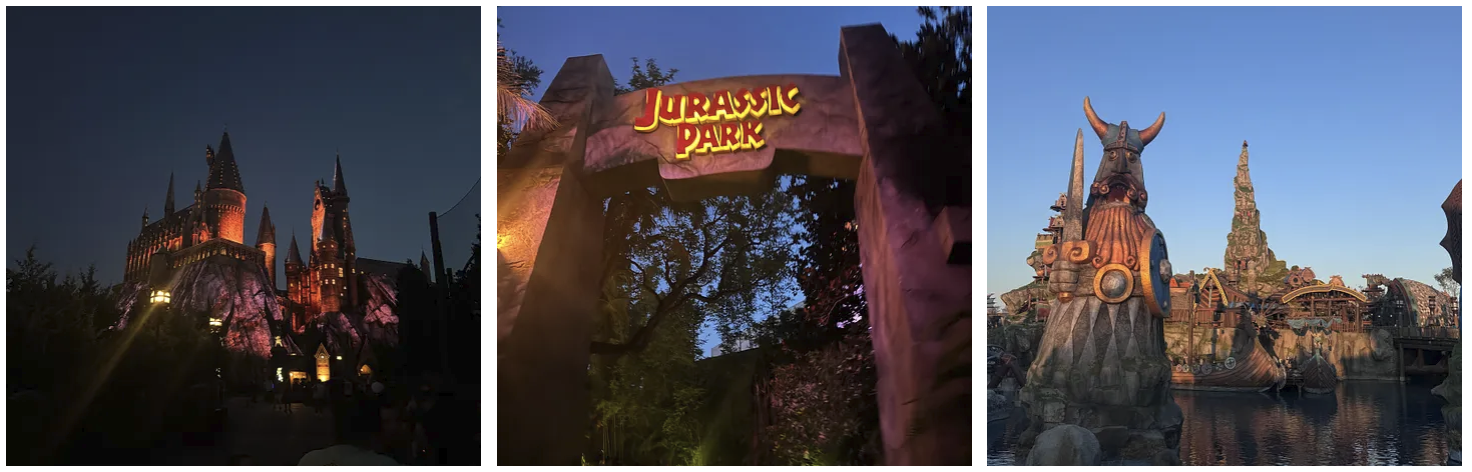
That’s brand storytelling at an enormous scale. And I think there’s a lesson here for marketers: your brand story isn’t just your About page or your Instagram bio. It’s every interaction someone has with you: it’s that social post, it’s the website, the packaging, the email, the customer service interaction, the way your employees speak about the company, and the experience someone has after they buy from you…
The strongest brands don’t just tell you who they are; they create an environment where you understand who they are without having to be told. Theme parks do that exceptionally well.
Character
The strongest brands have recognizable personalities; so do the strongest theme park experiences.
You know just what you’re getting when you go to:
Disney
Universal
Dollywood
I’m not saying those experiences are identical every time or that every guest has the same perception. But you can probably describe the feeling of each brand without needing a five-page brand guidelines document. That’s powerful.
A brand personality shouldn’t just live in a PDF that marketing teams reference when they’re debating whether a message sounds “on brand” or not. It should be recognizable in the wild. It should influence what you create, how you communicate, what experiences you build, and what you choose not to do.
Theme parks have taught me that a strong brand doesn’t necessarily mean everything looks the same. It means everything feels like it belongs in the same world.
Anticipation
Theme parks are exceptionally good at making people excited about something before they’ve even experienced it.
Think: announcements, teasers, rumors, countdowns, sneak peeks, merchandise, fan speculation.
The inevitable blurry photo someone took approximately 900 feet away that somehow becomes the most discussed image in the theme park community for 48 hours. This was how most of the buzz was generated during the construction of Epic Universe.
That’s marketing.
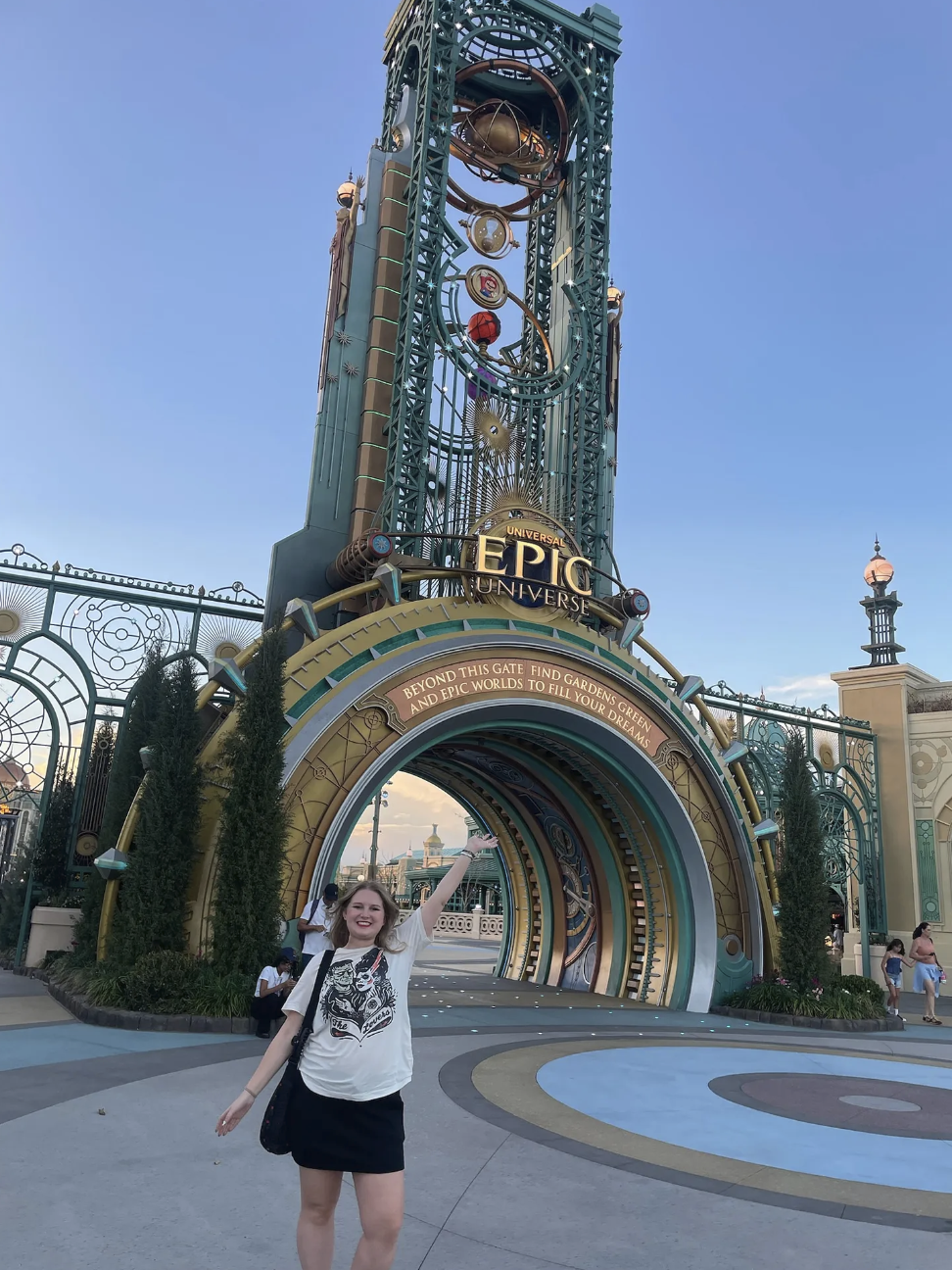
And it’s one of the things I find the most fascinating about the industry. The experience doesn’t actually begin when you walk through the gates. In many cases, it begins months, or even years, before that.
The anticipation becomes part of the product.
I’ve written an entire post about how Universal Destinations & Experiences does this particularly well with Halloween Horror Nights, but the broader lesson goes far beyond theme parks.
Anticipation is a marketing asset.
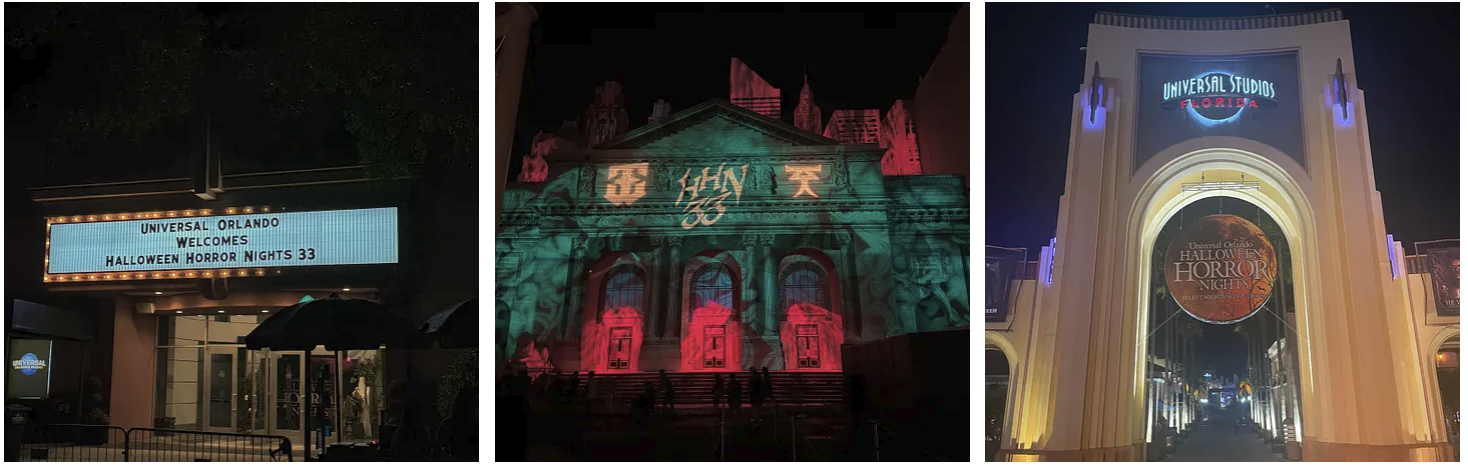
Give people something to wonder about, something to speculate about, something to count down to. Give them a reason to come back and check for the next piece of information.
You don’t always need to give your audience everything immediately. Sometimes the space between “I know” and “I get to experience it” is where the real magic happens.
Want a more in-depth take on how Halloween Horror Nights masters the art of anticipatory marketing? Check out the Substack I dedicated to it. I’m not crazy, just passionate.
Scarcity
Limited-time events are FOMO machines. Limited-time events are essentially scarcity marketing machines.
Halloween Horror Nights, Mickey’s Not So Scary Halloween Party, Universal Mardi Gras, the Holiday season at ALL the parks, the first year of a new park. All limited-time events.
These special experiences disappear. They don’t last forever. Sometimes they’re separately ticketed. Sometimes they don’t even happen every night.
Suddenly: “Maybe I’ll go” becomes “I have to go before it’s over.” And that distinction matters.
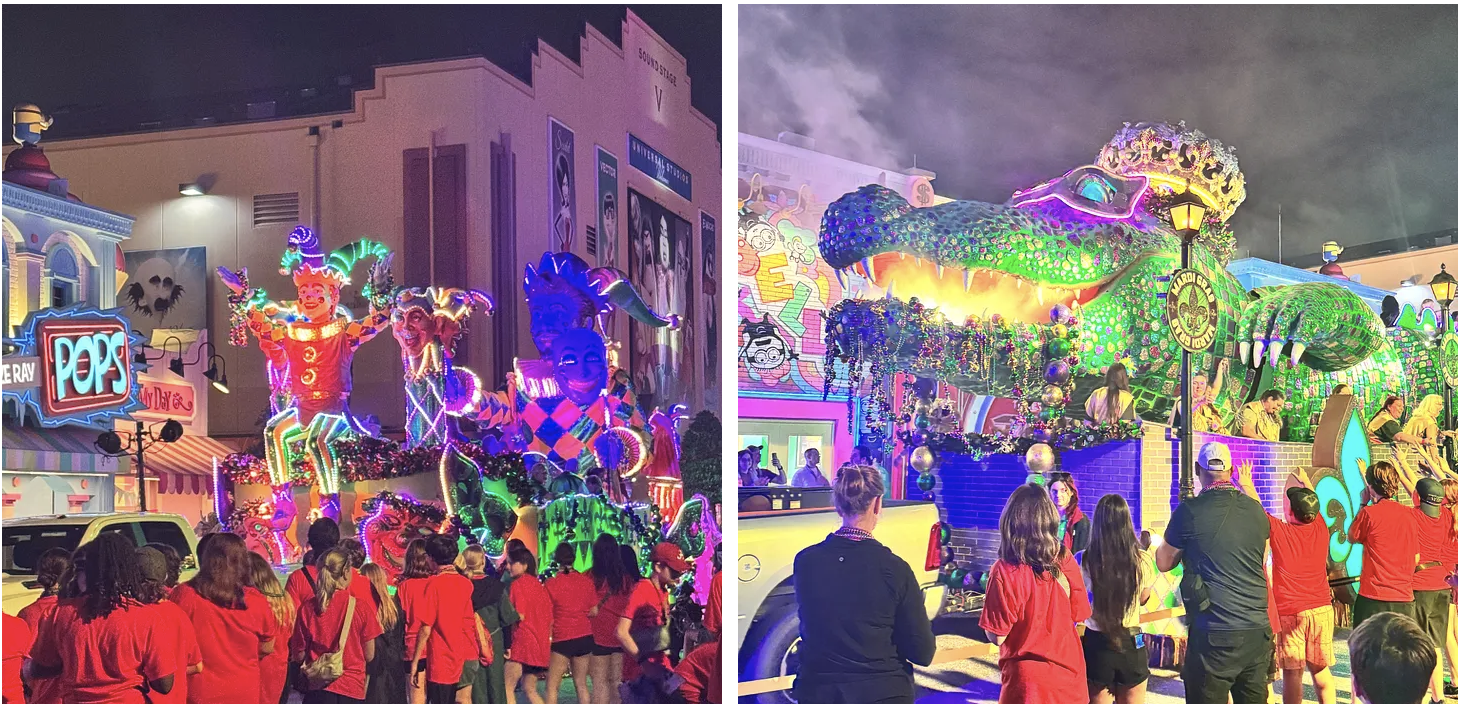
Scarcity gives people a reason to act now instead of someday. Obviously, there’s a difference between genuine scarcity and the manufacturing of fake urgency. But when the experience really is temporary, theme parks know exactly how to make that temporary nature part of the appeal.
And there’s something psychologically powerful about knowing: If I don’t do this now, I might not get another chance.
Community
Theme park fandoms are incredibly active and incredibly huge. Not to mention dedicated. These people are not just consuming the product or experience. They’re:
Discussing it
Ranking things
Reviewing their experiences
Theorizing
Collecting things
Photographing it
Making videos
Writing blogs
Creating podcasts
Making memes
Sharing trip reports
Building itineraries
Debating food
Arguing about which ride is better
And, yes, creating an entire theme park influencer industry
The audience isn’t just the audience anymore. They’re participants, storytellers, reviewers, creators. They’re marketers. And that is community marketing happening organically.
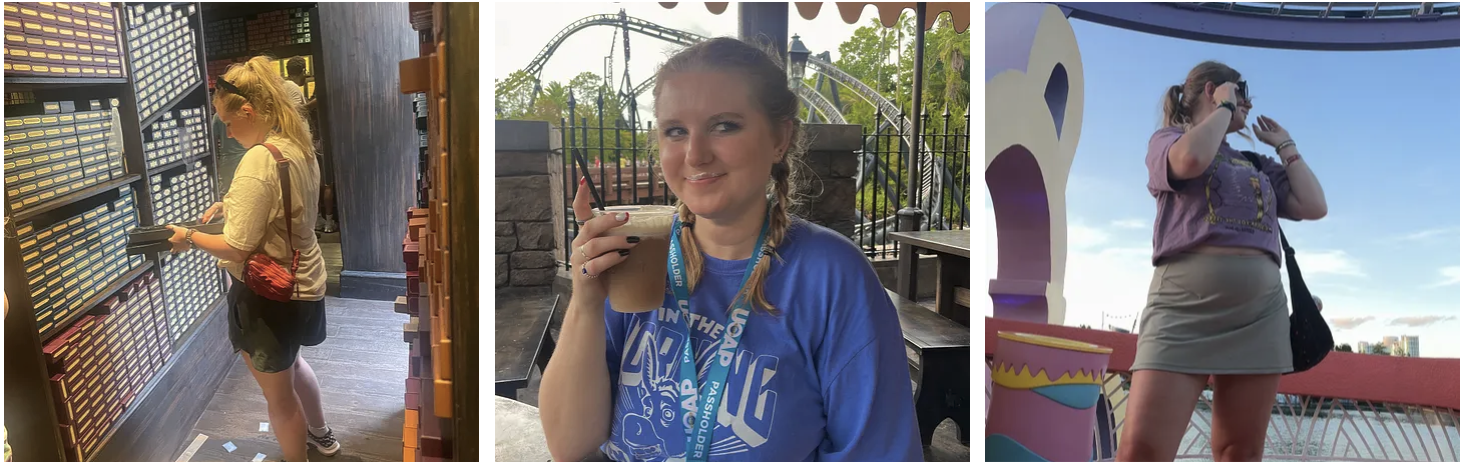
The brand doesn’t have to create every piece of content because the experience itself gives people something they want to talk about. That’s an important distinction. You can’t force a community into existence simply by posting “What do you think?” at the end of every social post. You have to create something people actually want to discuss.
Theme parks give their communities endless things to talk about because there is always something new to experience, debate, collect, photograph, speculate about, or revisit.
The physical experience is part of the brand
This is probably one of the biggest things theme parks have taught me that doesn’t translate neatly to traditional social media marketing.
The brand isn’t just the marketing. The experience is the marketing.
You can create the most beautiful campaign in the world, but eventually your customer has to interact with the actual thing that you’re selling.
Theme parks have to live by that every single day. A guest doesn’t just see an advertisement for a ride. They walk through the queue, hear the soundtrack, see the scenery, interact with employees, experience the pre-show, ride the attraction, exit into the gift shop, they buy something, they tell their friends, they post a photo. All of those touchpoints become part of their perception of the brand. And suddenly marketing isn’t just what convinced someone to buy the ticket, it’s everything that happens after they bought it.
That’s a pretty important lesson for any marketer.
Merchandising
Theme parks also understand something social marketers can sometimes forget (because we’re not necessarily directly involved): people want to take the story home with them.
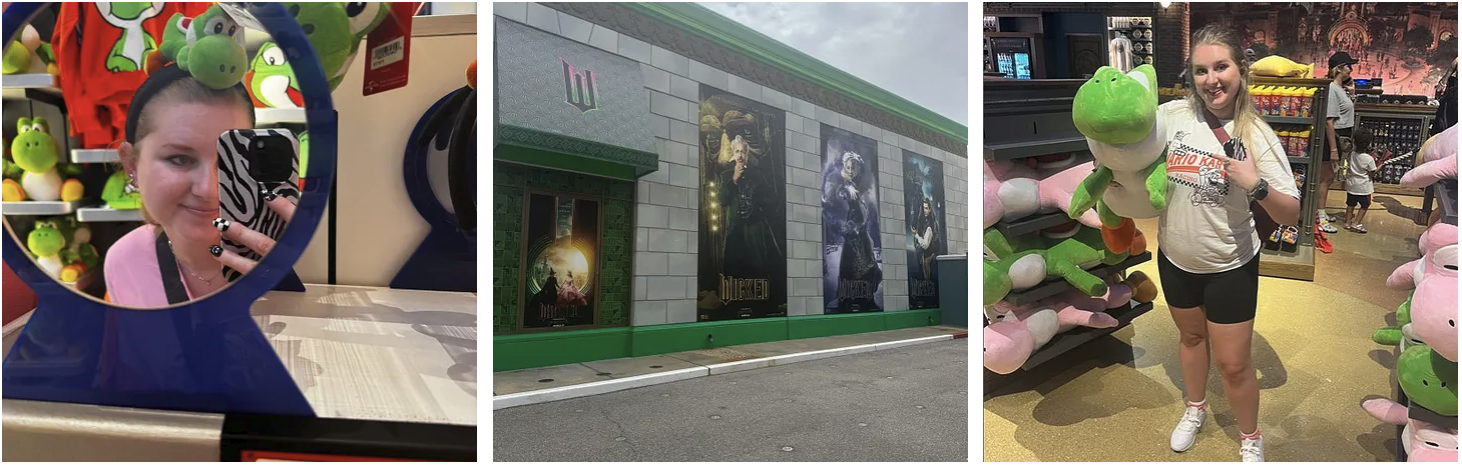
Merch is not just a souvenir. At its best, it’s an extension of the experience. You wear the shirt and remember the trip. You put the mug on your desk and remember the ride. You buy the HHN house shirt because you want everyone to know you survived it.
Okay, maybe that last one is just me. But the point stands: The brand doesn’t stop at the attractive or the immersive land. It extends into people’s homes, wardrobes, offices, social media feeds, and everyday lives.
And that’s powerful.
The best merchandise isn’t simply a logo slapped onto a product; it gives someone a physical way to continue participating in the story.
Re-ridability
This is another one that I think about constantly. Theme parks understand that one of the best measures of a successful experience isn’t just: “Did you enjoy it?” It’s “Do you want to do it again?” Those are very different questions.
Think about the rides you’ve ridden more than once. The things you do every time you visit. The restaurants you’re always returning to. The seasonal events you schedule your trips around. The souvenirs you collect. The experiences you’ve been telling your friends about for years.
Theme parks know how expensive these vacations can be, yet they still aim to create an experience memorable enough that you’ll start thinking about your next trip before you’ve even finished your current one.
I know I was a victim of this. Heck, I’m an out-of-state Universal Annual Passholder. And I would not have it any other way.
That’s the point.
The goal isn’t to get me to visit once. The goal is to create an experience I want to repeat. That’s a lesson that applies far beyond theme parks. The best brands don’t just optimize for the first purchase, they create reasons for people to come back
The real product is the feeling
The more you think about this, the more you’ll realize that theme parks are not selling rides. They’re selling the feeling you have when you ride them. They’re selling the anticipation before the trip. They’re selling the excitement you feel when you see the entrance. They’re selling the nostalgia when you hear a certain soundtrack. They’re selling the adrenaline when the coaster drops. They’re selling the laughter with your friends and family. They’re selling the ridiculous photos you’ll take. They’re selling the souvenirs you’ll bring home. They’re selling the stories you’ll tell for years.
All of these are reasons you start planning your next trip.
And that, to me, is one of the most important lessons of experiential marketing: people remember how an experience made them feel.
That’s why the little things matter: the music, the details, the food, the cast members, the merch, the transition between spaces, the anticipation, the story… None of these things exist independently, and that’s what makes the brand memorable.
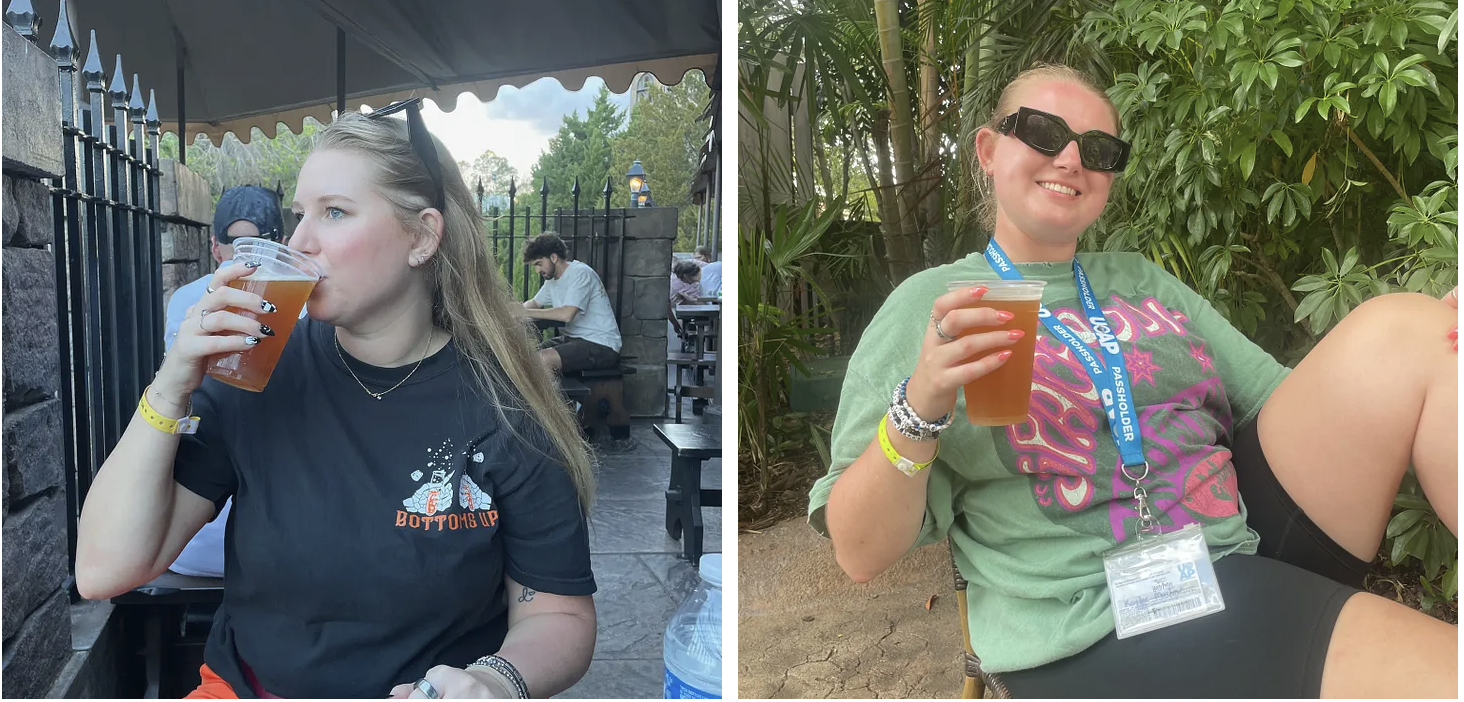
I’ve spent years professionally thinking about how brands build audiences and communities. And I’ve spend an embarassing amount of my free time thinking about theme parks (literally, mostly all of it). Good thing those two things overlap quite a bit 😂
So when I say I want to work in entertainment or experiential marketing, it is not just because I love theme parks (though it’s certainly part of it). It’s because I genuinely love studying how these brands create experiences people become emotionally invested in.
I am fascinated by what makes someone decide to spend hundreds or thousands of dollars on a trip, wait two hours for an attraction, buy a $50 sweatshirt, take approximately 700 photos, tell everyone they know about it, and start planning the next one before their suitcase is even unpacked.
That’s marketing. That’s storytelling. That’s community. That’s brand loyalty.
And frankly, that’s the kind of marketing I want to spend more time doing.
So maybe all those years of theme park obsession weren’t wasted after all.
Maybe they were research.
See you in the parks 🎢
This post was originally published to my Substack, If I’m Being Honest.