Creating Structure Where There Was None: Transforming Social Media at DM Injury Law
Quick Stats Summary
Main Platforms: Facebook, Instagram, LinkedIn, TikTok
Role: Social Media Manager
Timeframe: April 2024 - April 2026
Primary Focus: Strategy, Content Systems, Optimization
The Situation
When I joined DM Injury Law as Social Media Manager, the firm had a limited and inconsistent social media presence across its primary platforms: Facebook and Instagram.
Posting was infrequent, and there was no clear strategy guiding which content should be created and why. Content decisions were largely reactive, and when posts did go live, they weren’t designed to drive meaningful engagement or sustained audience growth. They were the definition of “posting just to post.”
There was also no standardized workflow, no defined content pillars, and minimal performance tracking to guide improvement.
At its core, the problem wasn’t a lack of platforms or even a lack of content to share.
It was the absence of structure.
The Challenge
The challenge wasn’t just to post more content; it was to build a system that made consistent, effective posting possible across platforms.
Key challenges included:
Inconsistent posting cadence
No defined content pillars or messaging direction
Limited video presence
No structured content workflow
Minimal analytics-driven decision-making
No influencer partnership strategy
Hardly any buy-in from leadership on social media strategy or needs
Without defining structure, growth would always remain inconsistent and difficult to sustain.
The Strategy
Rather than focusing on producing more content, I focused on building a repeatable system that supported sustainable growth across platforms.
Primary platforms included Facebook and Instagram, with LinkedIn functioning as a secondary platform, and TikTok (and eventually Threads) launched as a new channel to support long-term video strategy growth and cultural relevance.
Established KPI-Driven Content Strategy
I defined performance metrics tied to engagement, follower growth, and visibility across Facebook and Instagram.
This created clarity around success and allowed for continuous improvement through analytics.
2. Built Structured Content Pillars
I developed repeatable content categories aligned with brand messaging and audience needs.
This ensured content remained consistent, recognizable, and purposeful.
Content Pillars:
Brand Identity & Thought Leadership
Community Engagement & Events
Contests & Giveaways
Legal Expertise & Case Insights
Firm Culture & Team Spotlights
Legal News_Generic
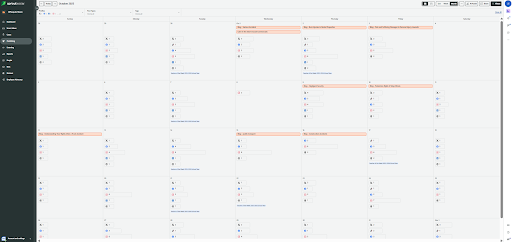
I also organized content into content types, labeled by quarter for easy tracking, and occasionally added larger campaign tags to posts.
Content Types:
Carousel/Multiple Photos
Graphic
Horizontal Video
IG Story
Link Preview
Photo
Vertical Video
UGC/Influencer Content
Example Campaigns:
Best Law Firm
Teacher of the Week
Ask Mike
Summer Law Clerks
3. Created Scalable Video Workflow
As video became a growing priority, I collaborated with internal team members and external videographers to support increased short-form video output.
My role included:
Writing social media scripts
Managing publishing workflows
Optimizing video performance
Tracking engagement trends
Refining content direction using analytics
This allowed video production to scale while maintaining quality and strategic alignment. Eventually, more of this would be added to my plate to streamline production and editing timelines.
Video production and output are still in a slow-growth phase at the firm, but due to a variety of factors, not a lack of structure.
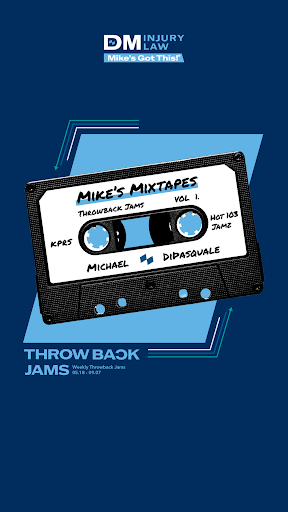
Throwback Jam of the Week social media series
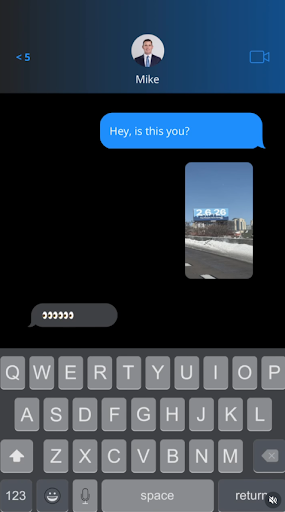
Billboard promo text Reel

“Mean Tweets” inspired social media series
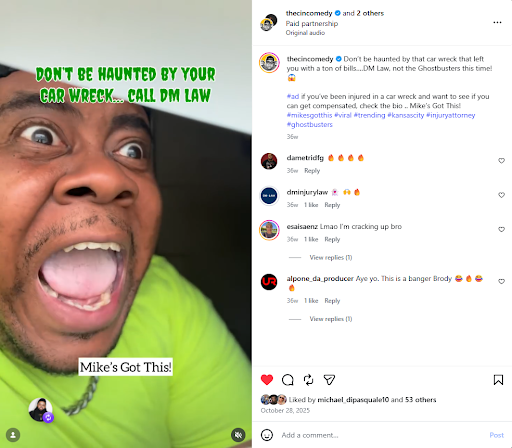
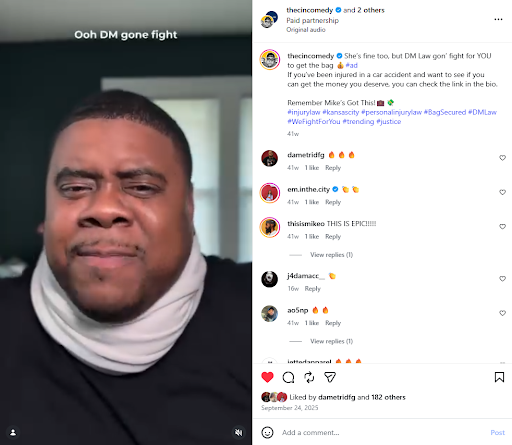
4. Developed Influencer Partnership Workflow
I began to manage influencer partnerships to expand reach and strengthen brand visibility within the community.
This included:
Identifying relevant creators
Coordinating collaborations
Managing posting timelines
Tracking performance outcomes
Building sustainable relationships with local creators
These partnerships supported both brand awareness and audience growth. This role started fractionally, through the use of an agency that helped us source and connect with influencers, but quickly turned into something managed 100% in-house by me. Having the pre-defined structure from the beginning made that transition very smooth and streamlined.


5. Implemented Analytics & Optimization Systems
I independently managed performance tracking across all platforms, using analytics to refine content direction and improve results over time.
This included:
Monitoring engagement trends
Particularly focusing on ER, saves, and shares
Identifying top-performing formats
Testing new content approaches
Looking at the types of content that fuel audience growth
Adjusting posting strategy based on performance
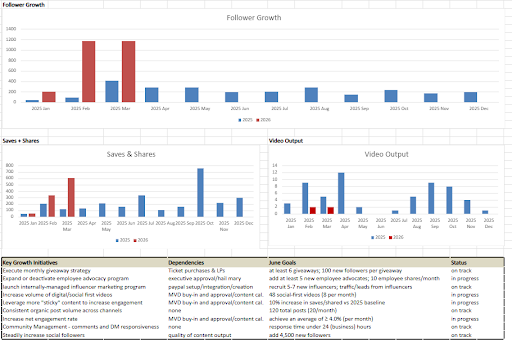
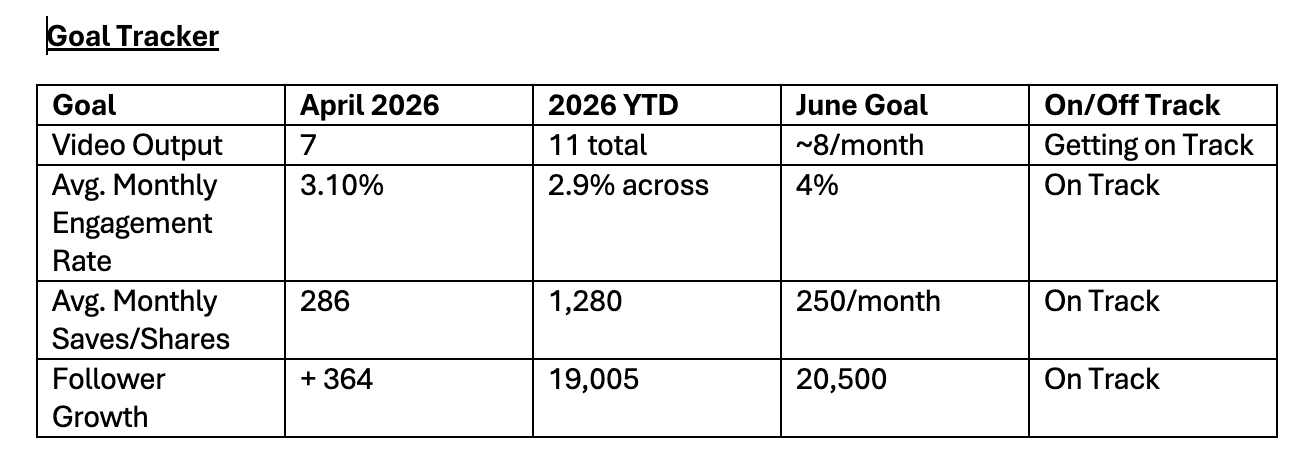
This created a feedback loop that allowed the strategy to evolve continuously. The team tracks their analytics on a weekly and monthly basis to stay on top of their 6-month and quarterly goals. You can see a representation of that in the screenshot(s) below.
The Implementation
With the strategy defined, execution focused on turning ideas into sustainable workflows.
Key actions included:
Establishing consistent posting schedules across Facebook and Instagram
Launching TikTok and Threads as new channels to support future growth
Managing daily publishing workflows across platforms
Writing scripts for social-first video content
Coordinating influencer collaborations
Continuously refining content based on performance data
My role focused on ensuring the system functioned consistently, not just producing content.
The Results
The structured approach produced measurable growth:
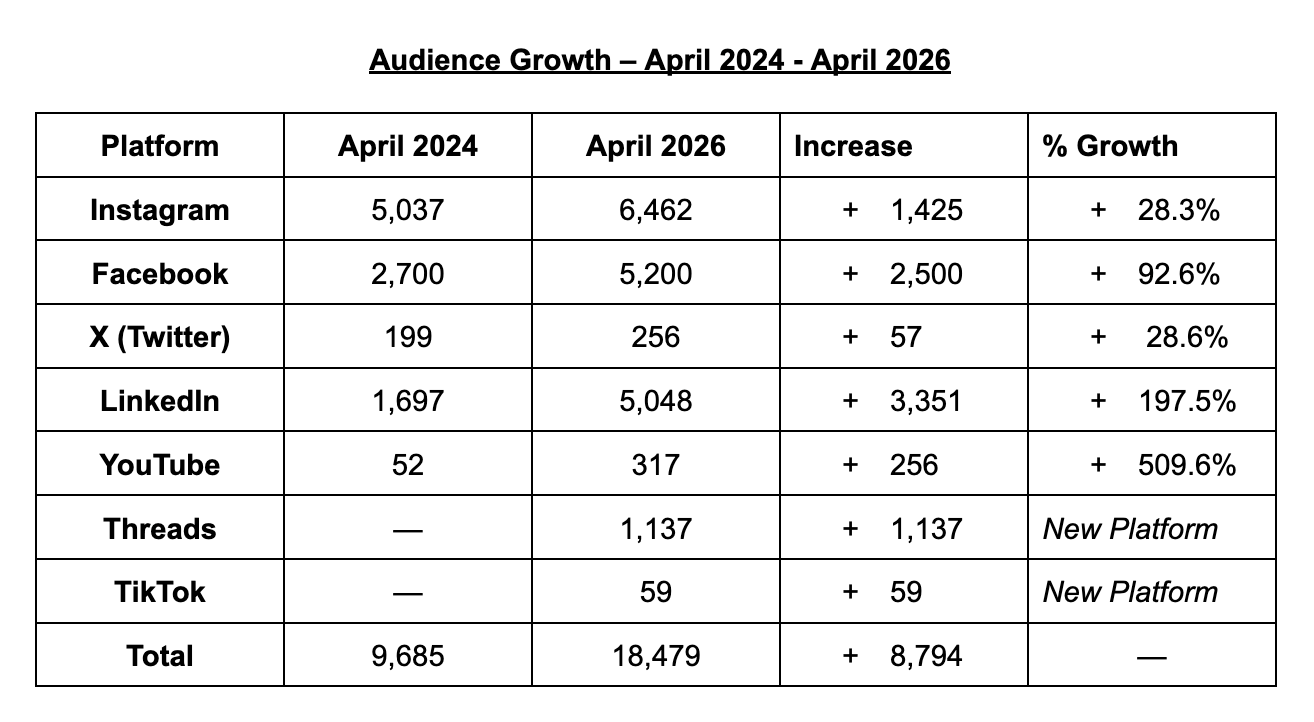
Increased engagement by nearly 4,000%
Grew net followers by 8,000+
Expanded reach through influencer collaborations
Increased video output through collaborative workflows
Established a consistent and recognizable brand presence
Most importantly:
The brand transitioned from reactive posting to strategic, repeatable growth.
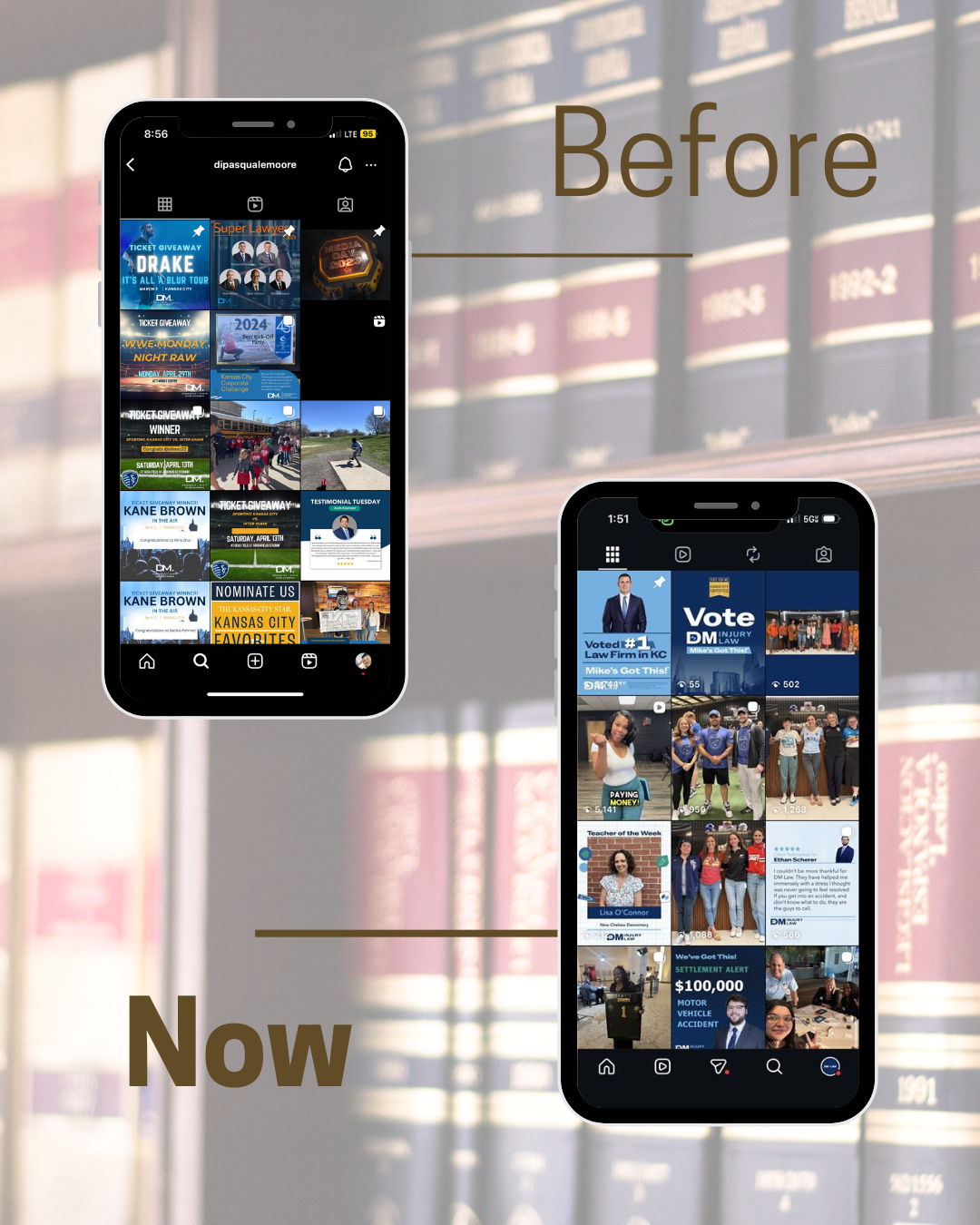
The Real Impact
This reinforced something I’ve seen across many roles:
Growth doesn’t happen because of content alone.
It happens because of the systems supporting the content.
By building repeatable workflows, establishing performance benchmarks, and managing optimization independently, I created a foundation that allowed the brand to grow consistently across platforms.
That’s the work I do best:
Creating structure where there wasn’t any to begin with.