The Marketing Magic of Making Us Wait
What Halloween Horror Nights can teach us about turning anticipation into a marketing strategy.
———————————————————————————————————————————————————
There are a lot of things I love about Halloween Horror Nights. A lot.
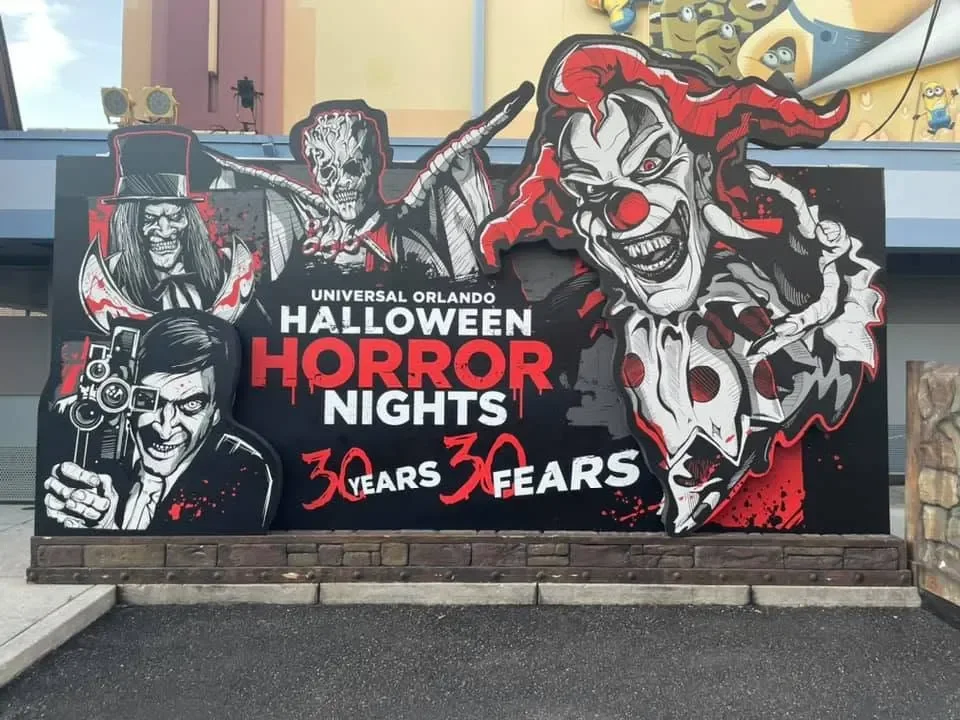
The houses. The scare zones. The music. The ridiculous amount of ore I will willingly consume and pass on to anyone who will listen. The fact that I will spend months looking at a construction wall and convincing myself I can identify what’s being built behind it.
But one of my favorite things about Halloween Horror Nights has very little to do with what actually happens once you walk through the gates and into the fog.
It’s what happens before you get there. And before the event even starts.
Because as a marketer, and as someone who has spent an embarrassing amount of time thinking about theme park marketing, I am fascinated by the way Universal turns the waiting for Halloween Horror Nights into a huge part of the experience itself.
They don’t just sell you a night at a theme park. They sell you months of anticipation.
And I think there’s a much bigger marketing lesson hiding in that.
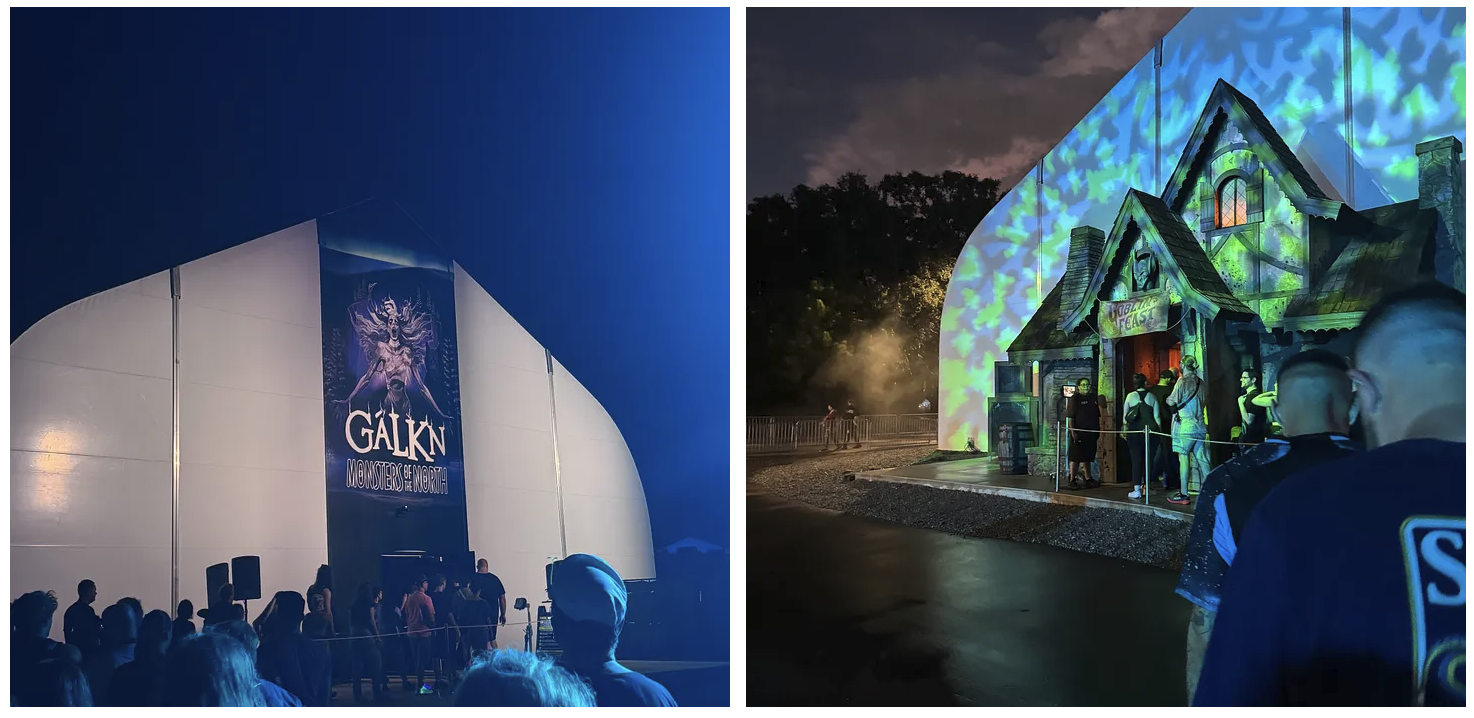
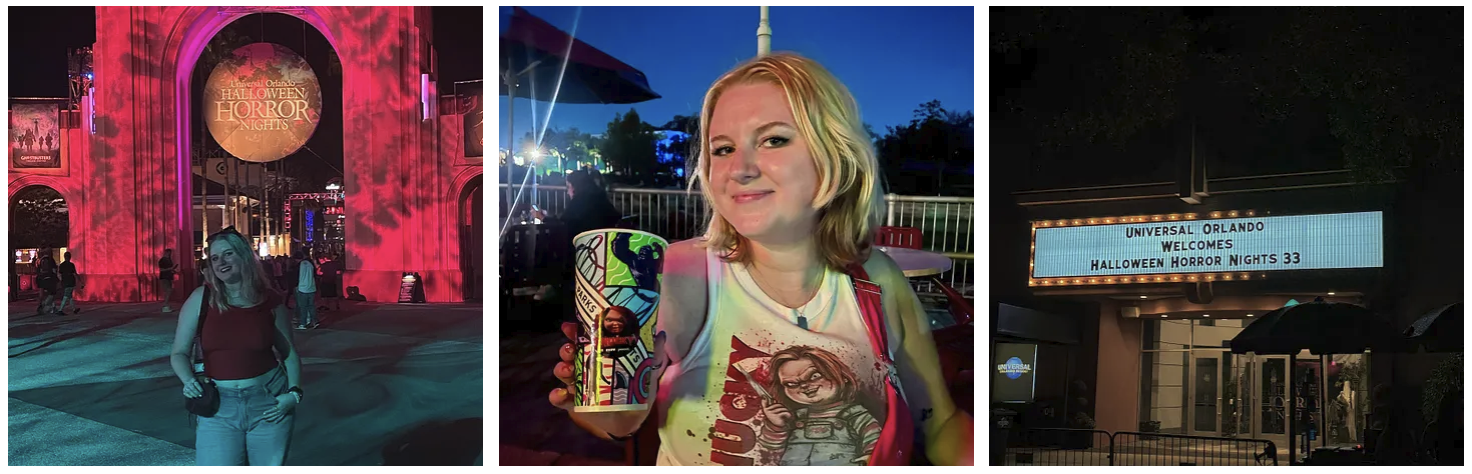
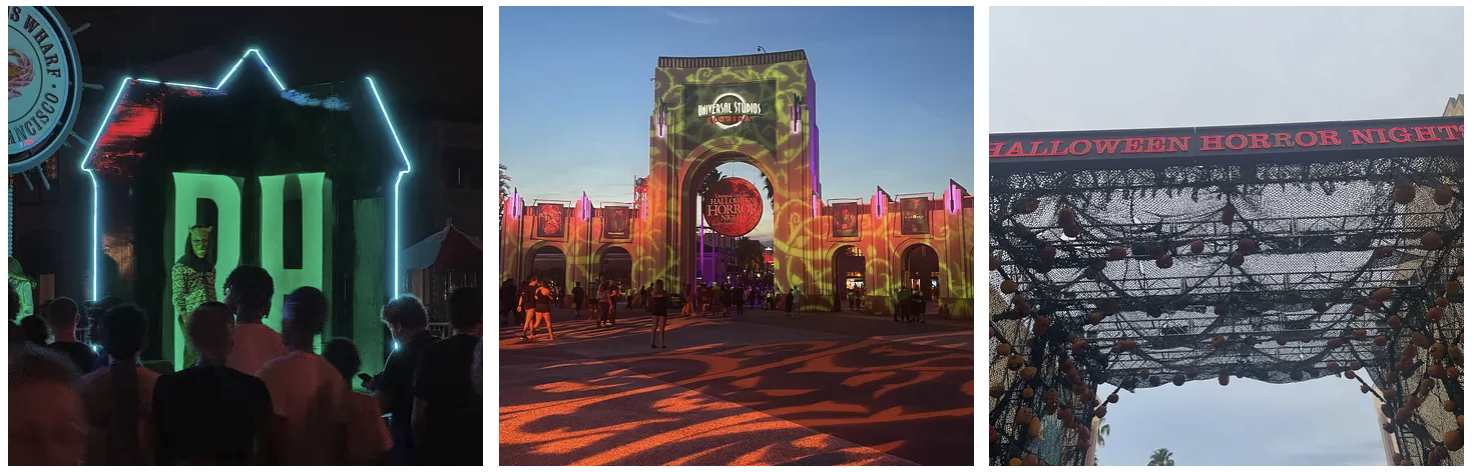
Including some of my favorite HHN photos throughout because, honestly, I couldn’t write an entire piece about Halloween Horror Nights and NOT include them. Enjoy 👻
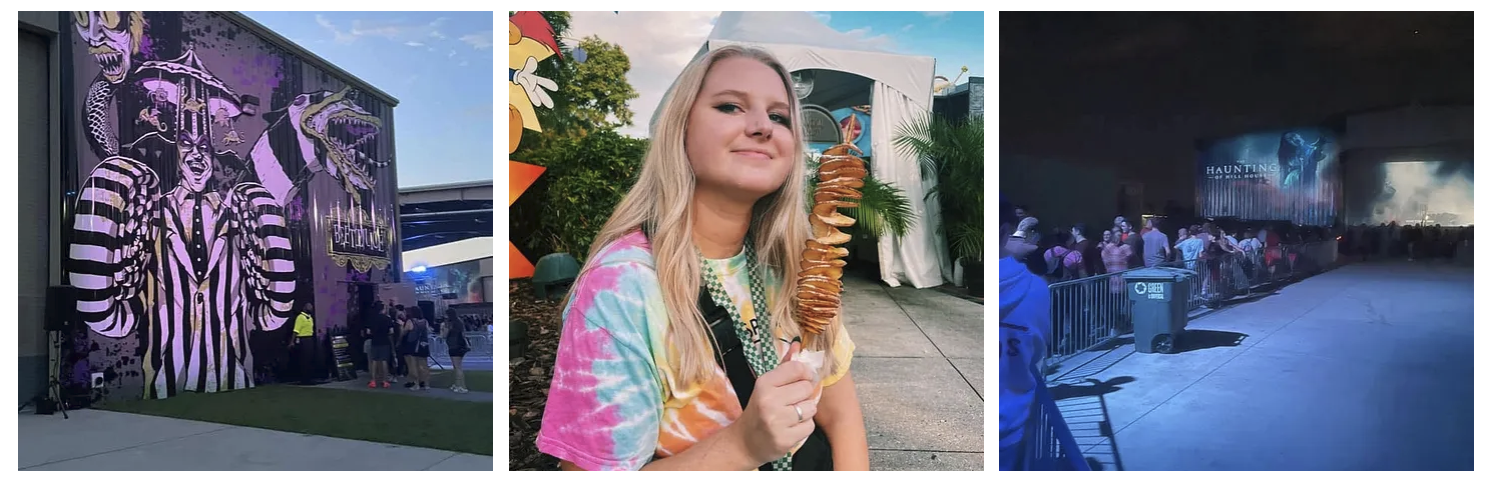
We have become very obsessed with the reveal.
A brand launches something.
Here it is!
New product. New collection. New campaign. New video. New experience. New announcement.
And then we move on to the next thing.
Social media has made this cycle even faster. We’re constantly trying to create the next piece of content, the next announcement, the next big moment that will stop the scroll.
But what if the goal isn’t always to create a bigger reveal? What if the goal is to create a reason for your audience to keep wondering what’s coming next?
That’s where Halloween Horror Nights gets really interesting.
They don’t tell us everything at once.
One of the most effective things about HHN marketing is the staggered announcement strategy.
Instead of saying “Here is everything happening at this year’s event!” and dropping the entire lineup in one afternoon, Universal gives us information piece by piece.
A house gets announced.
Then another.
Then a scare zone.
Then another house.
Then a teaser.
Then a cryptic piece of marketing that makes everyone collectively go:
...wait. WHAT does that mean?
And suddenly we’re talking about it again.
And again.
And again.
The individual announcement becomes content, but it also becomes a trigger for more content.
Every reveal creates another opportunity for conversation.
And those conversations aren’t happening exclusively on Universal’s channels.
They’re happening in Facebook groups.
On TikTok.
On Instagram Stories.
On Reddit.
In Discord servers.
In group chats.
On YouTube.
And, in my personal case, probably in several extremely unnecessary conversations with friends who did not ask for my current theory about what a symbol in a teaser video means.
That’s the magic.
Universal doesn’t have to manufacture every conversation.
They just have to give us something worth talking about.
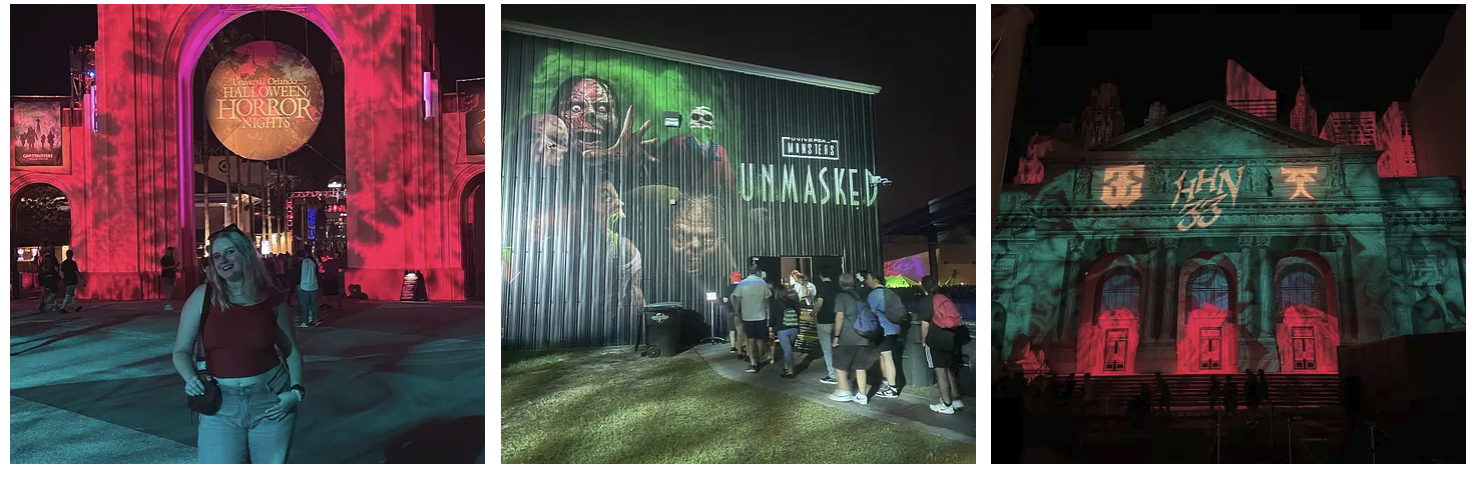
And then they let us speculate,
This is probably my favorite part.
HHN fans don’t simply receive the information Universal gives us.
We do things with it:
We make speculation maps.
We rank the rumored IPs.
We analyze teaser images.
We zoom in on construction walls.
We compare logos.
We connect dots that may or may not actually be connected.
We make prediction videos.
We debate which houses are coming.
We try to figure out what original concepts could mean.
And then we change our minds when the next announcement comes out…
From a marketing perspective, this is fascinating.
Because Universal has effectively created an audience that wants to participate in the marketing process.
The audience is generating content because the audience wants to know what happens next.
That’s a very different relationship than simply asking someone to consume your content. You’re giving them a puzzle. And people love puzzles. Especially when there is a community around solving them.
IP gives people a reason to care immediately.
Then there is the other side of the HHN strategy: recognizable intellectual property.
I have been to Halloween Horror Nights enough times that, at this point, I’m probably going regardless of what houses they announce.
But I’m going to be honest:
The Stranger Things 5 announcement made me GIDDY.
And that’s exactly why recognizable IP is such a powerful marketing tool.
When you announce an IP people already know and love, you don’t have to start from zero. You don’t have to explain why someone should care about the characters. You don’t have to build the emotional connection from scratch.
They already have one. They have memories. They have opinions. They have favorite characters. They have expectations. They have theories about what the experience should include.
And suddenly, you’re not marketing an entirely new attraction.
You’re tapping into an emotional relationship that already exists.
That’s powerful.
But what’s even more interesting is what Universal does alongside those recognizable properties.
They create things we don’t already know.
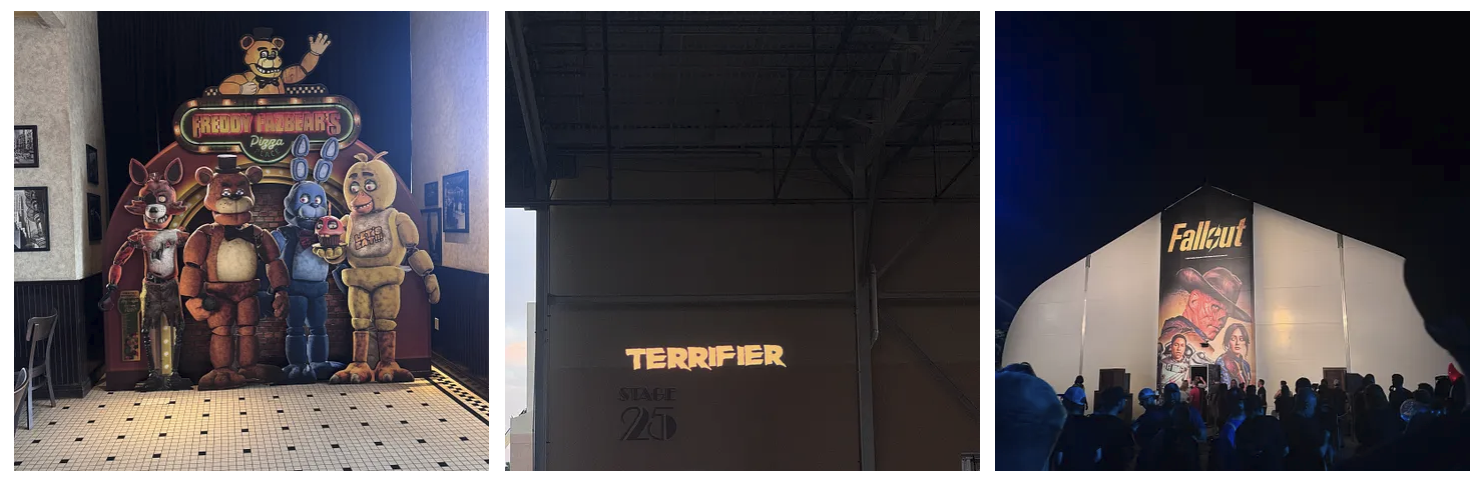
Original concepts create curiosity.
If you’re a long-time HHN fan, you probably understand the excitement that comes with an original house announcement.
For everyone else, though?
You might see a name you’ve never heard before, a strange character, a creepy piece of artwork, or a cryptic teaser and think:
“Okay... what the hell is this?”
And that is exactly the point.
An original concept doesn’t have the built-in recognition of something like Stranger Things or Sinners.
Instead, it has to create curiosity.
You don’t immediately know the story. You don’t know the characters. You don’t know what you’re going to encounter.
So the marketing has to give you just enough information to make you want to find out more.
And that creates another incredibly useful emotion:
anticipation.
The IP says:
“You know this. You love this. Imagine experiencing it this way.”
The original concept says:
“You don’t know this yet. But you’re going to want to.”
Those are two completely different marketing mechanisms working together.
Scarcity turns “that looks cool” into “I need to go/’
There’s another piece of the HHN strategy that I think marketers should pay more attention to:
scarcity.
Halloween Horror Nights doesn’t happen year-round.
It’s seasonal. It’s limited. It’s separately ticketed. There are only so many nights.
And eventually, it’s gone.
That changes the psychology of the purchase.
There’s a huge difference between:
“That looks cool.”
and
“I HAVE to go.”
The first one is admiration.
The second one is urgency.
And urgency is valuable.
HHN isn’t just asking you to decide whether you like the event.
It’s creating a reason for you to decide when you’re going.
Suddenly the conversation becomes:
“Which night?”
“How many nights?”
“Should we get Express?”
“Should we stay at the hotel?”
“Can we fit all the houses into one night?”
“Okay, maybe we need to go twice.”
And now we’re no longer talking about whether the event is worth experiencing.
We’re talking about how we’re going to experience it.
That’s a pretty significant shift.
The audience becomes part of the campaign.
This might be the biggest lesson I take from all of this.
The HHN community doesn’t just consume the marketing.
The community extends it.
Universal announces something.
Fans react.
Fans speculate.
Fans create content.
Other fans see that content.
They speculate.
They share.
Someone makes a TikTok.
Someone else makes a theory video.
Someone posts a ranking.
Someone argues with that ranking.
Another announcement drops.
Everyone starts over.
And suddenly, the event has become a recurring conversation rather than a single marketing moment.
That is a dream scenario for a marketer.
Because the brand isn’t solely responsible for keeping the conversation alive.
The audience is invested enough to do it themselves.
And importantly, they’re doing it because they’re having fun.
That’s the part I think brands sometimes miss when they try to “build community.”
You can’t just tell people to engage.
You have to give them something worth engaging with.
So what can marketers steal from this?
Obviously, most brands aren’t Halloween Horror Nights.
You’re probably not going to announce a new horror house every two weeks and expect your audience to create elaborate speculation maps about your Q4 product launch.
But the underlying strategy is transferable.
Don’t give everything away at once.
Sometimes we think our audience needs all of the information immediately.
They don’t always.
Give them enough to understand what you’re doing, but leave room for curiosity.
A teaser can sometimes be more effective than an explanation.
Give people something to talk about.
Don’t just ask: “How can we get more engagement?”
Ask: “What could we give our audience that they would genuinely want to discuss with someone else?”
Those are very different questions.
Let your audience participate.
If your audience can speculate, predict, rank, vote, theorize, remix, respond, or add their own perspective, you’ve created more opportunities for them to become part of the story.
You don’t always need another branded post.
Sometimes you need a reason for your audience to make the post for you.
Balance familiarity with novelty.
Recognizable elements can create immediate emotional investment.
New elements create curiosity.
You don’t necessarily have to choose one or the other.
You can use both.
And, perhaps most importantly, don’t underestimate anticipation.
I think this is the biggest lesson I take from Universal and Halloween Horror Nights.
Anticipation is a marketing asset.
We spend so much time thinking about the big reveal that we forget there is enormous value in everything that happens before the reveal.
The theories. The conversations. The countdown. The speculation. The “what if?” The “I wonder...” The “Did anyone else notice this?” The “OH MY GOD, THEY JUST ANNOUNCED—”
That’s marketing too.
And sometimes, it’s the most effective part.
Because when you give your audience something to wonder about, speculate about, debate, and look forward to, you’ve created something much more powerful than a singular announcement.
You’ve created a reason for them to come back.
And that, to me, is the real marketing magic of Halloween Horror Nights.
Now excuse me while I go revise my HHN 2026 rankings for approximately the 47th time.
See you in the fog. 🎃
This post was originally published over on my Substack, If I’m Being Honest.